

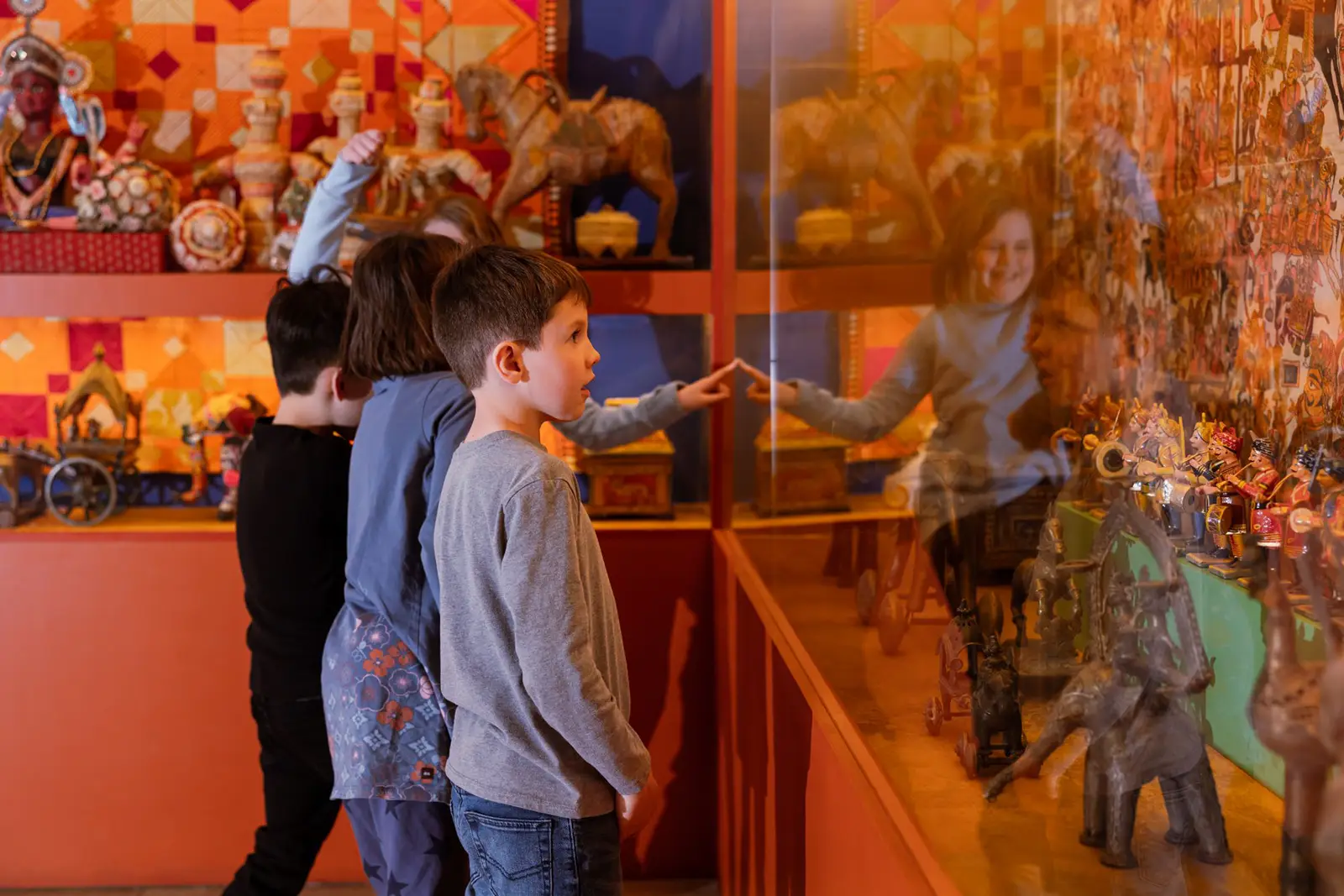
Multiple Visions: A Common Bond
Teacher Professional Development Workshops
La Nueva México: Art & Life in the Interior Lands
Teacher In-Service Saturday, January 23, 2027, 10:00a - 3:00p. Curator led tour, guest artist. hands-on activities, and more. Light refreshments/lunch provided.
RSVP by January 15th for this FREE Professional Development Workshop to: patricia.sigala@dca.nm.gov / 505.476.1212
NM Educators always receive special admission of 50% DISCOUNT FOR NEW MEXICO K-12 EDUCATORS AND ADMINISTRATORS WITH ID.
Educational Groups | Guided or Self-guided Visits 2026-2027
Educational Groups | Guided or Self-guided Visits 2026-2027
Providing educational exhibit-focused tours for all age groups exploring art and cultures from around the world. All our scheduled school tours and visits are FREE of charge for NM educational groups. You may plan to visit MOIFA in a group of up to two classrooms per visit. Guided school group tours may be scheduled from September 21st through May 2027. Download the Pre-Visit Checklist.
SCHEDULING:
- Self-guided school groups may be scheduled on Wednesdays, Fridays, and afternoons. Mondays may also be available. Self-guided school groups may visit during school breaks and the month of January.
- Guided tours are offered on Tuesdays and Thursdays, only. School group tours are not available during school breaks or throughout the month of January. Tours must be prescheduled at least one month in advance (for September we are accepting requests with a two-week notice), on a first come first serve basis. Be aware we may not be able to reschedule canceled visits.
- Elementary teachers can select a focus on one of our changing exhibits, explore our current exhibits. Visits will also include our long-term exhibit Multiple Visions: Common Bonds.
- Middle and High School groups may request any MOIFA exhibit to focus on exploring, view our current exhibits.
- Bilingual Tours (English & Spanish) are available by request on Tuesdays. Bilingual tours are not guaranteed, but we will do our best to fulfill the request.
Chaperones: Elementary-age groups must have one chaperone per 6 students. Middle and High School groups must have one chaperone per 10 students, with a minimum of two chaperones. Chaperones must be with their groups at all times. Chaperones, bus drivers, and any additional support staff are admitted free with our educational group visits.
Guided Tours Schedule (Adjustments may be made for schools traveling long distances)
10 am Group A Tour / Group B self-guide at MOIFA or visit other institution
11 am Lunch in the Atrium, or outside on Milner Plaza
11:45 am Group B / Group A self-guide at MOIFA or visit other institution
1 pm Depart, or optional time for self-guided exploration with Chaperones for 1 hour
TRANSPORTATION: Bus funds are available for school group visits, by request. The MOIFA reimbursement form must be filled out and submitted to the Museum within 2 weeks of completing your scheduled fieldtrip. The primary contact teacher is responsible for scheduling their own bus/transportation. Click to download the Transportation Reimbursement pdf.
REQUEST FORM
You will receive a confirmation email with your school’s scheduled time and date. Please allow us five days to confirm your visit. For questions: please contact Patricia Sigala at 505-476-1212 or e-mail patricia.sigala@dca.nm.gov
Providing educational exhibit-focused tours for all age groups exploring art and cultures from around the world. All our scheduled school tours and visits are free of charge for NM educational groups. You may plan to visit MOIFA in a group of up to two classrooms per visit. Guided school group tours may be scheduled from September 1st through May 2026.
You will receive a confirmation email with your school’s scheduled time and date. Please allow us five days to confirm your visit. For questions: please contact Patricia Sigala at 505-476-1212 or e-mail patricia.sigala@dca.nm.gov
Virtual Classroom School Program 2025/26
As part of the Invite a DCA Educator initiative from the New Mexico Department of Cultural Affairs, MOIFA (Museum of International Folk Art) offers virtual classroom visits for grades PreK–8 on various folk art topics.
30 or 45-minute virtual session, includes lesson (all ages) or storytime (PreK–1st), discovery exercise using 3–6 folk art objects, discussion (Q&A), and art activity demonstration. One virtual classroom visit per teacher, please.
Request our programs or other DCA (Department of Cultural Affairs) offerings by visiting Invite a DCA Educator.
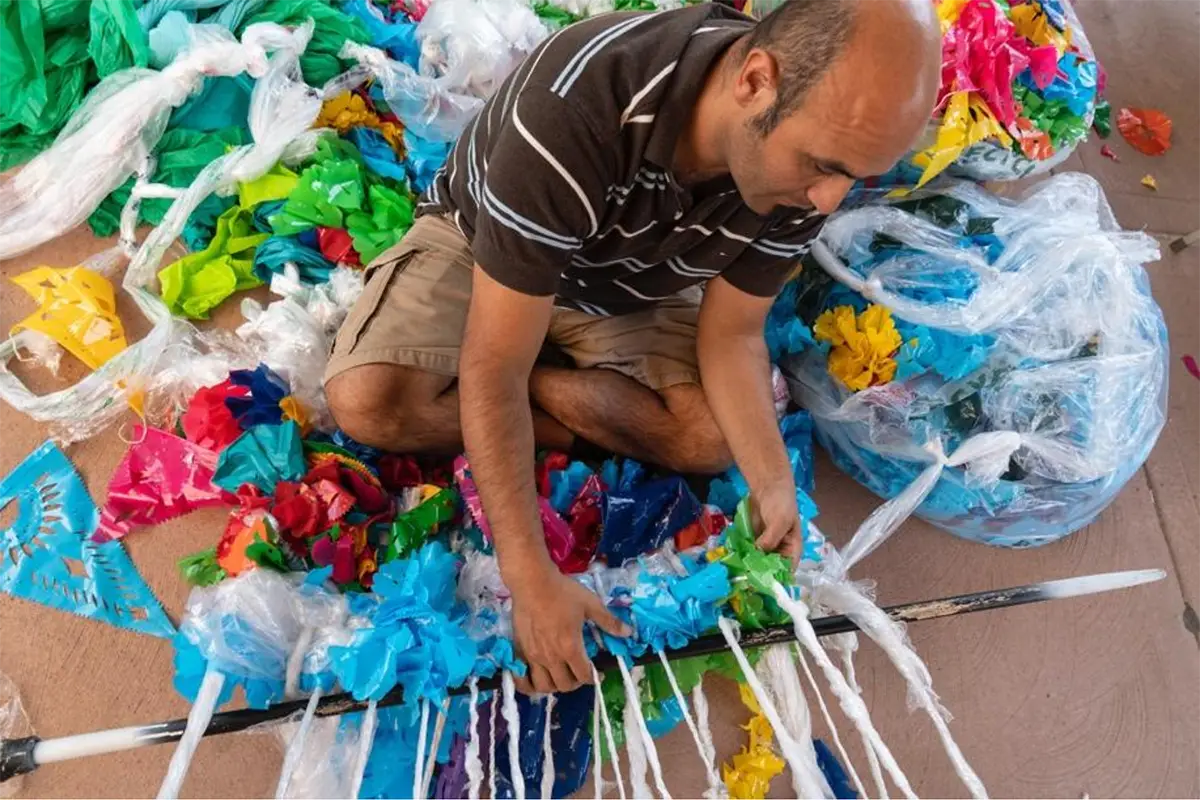
Aymar Ccopacatty (Aymara), Community Through Making: From Peru to New Mexico, 2018. Photo by Chloe Accardi.
PreK–Kindergarten / Language Arts, Social Studies & Art:
1st–2nd Grade / Language Arts, Social Studies & Art:
3rd–5th Grade / Language Arts, Social Studies, Art, Math & Science:
3rd–5th Grade / Language Arts, Social Studies & Art:
6th–8th Grade / Language Arts, Social Studies & Art:
DCA Educators and staff have many educational opportunities available for learners of all ages in New Mexico. For more information, visit dcaeducates.nmculture.org. This website highlights those programs and resources which are available virtually.
Outreach Trunks
Outreach trunks are available for educators to check out for use in their classrooms as supplemental curriculum units and are aligned with the National Visual Arts Standards. Trunks can be checked out for two-week periods and free of charge. Trunks must be picked up from and returned to the museum. These include hands-on objects, lesson plans, books, and/or Google Slides with additional images and video links.
Please fill out the following form to request a trunk for your classroom. Trunk reservations are subject to availability, in the form below indicate your first and second choice.
Available trunks include:
Dancing Shadow, Epic Tales: Wayang Kulit of Indonesia
Wayang Kulit are flat leather puppets, elaborately decorated and perforated, casting intricate and dramatic shadows when used in performances. They are used to tell some of the oldest stories in the world. Learn about how the puppets are made, the role of the dhalang (puppeteer), and the gamelan orchestras. The outreach trunk includes shadow puppets, lesson plans, images, books, a screen and light for a puppet show.
Masks
Cultures all over the world integrate masked processions with celebrations that mark religious occasions, seasonal changes, historical events and spontaneous revelry. The outreach trunk includes a lesson plan, books, and hands-on masks.
Santos: Retablos, Tinwork and Straw Appliqué
Hands-on objects made by New Mexican artists. The outreach trunk includes lesson plans, books, and coloring sheets for xeroxing.
Recycled, Re-Seen: Folk Art from the Global Scrap Heap
Interdisciplinary outreach trunk includes Crystal Productions Curriculum with DVD, lesson plan, images, magnetic board/games, and hands-on recycling objects.
Questions?
For more information about any of these programs, or to be added to our mailing list, please contact Patricia Sigala, Educator/Community Outreach & Engagement, at 505-476-1212 or email patricia.sigala@dca.nm.gov.
Lesson Plans
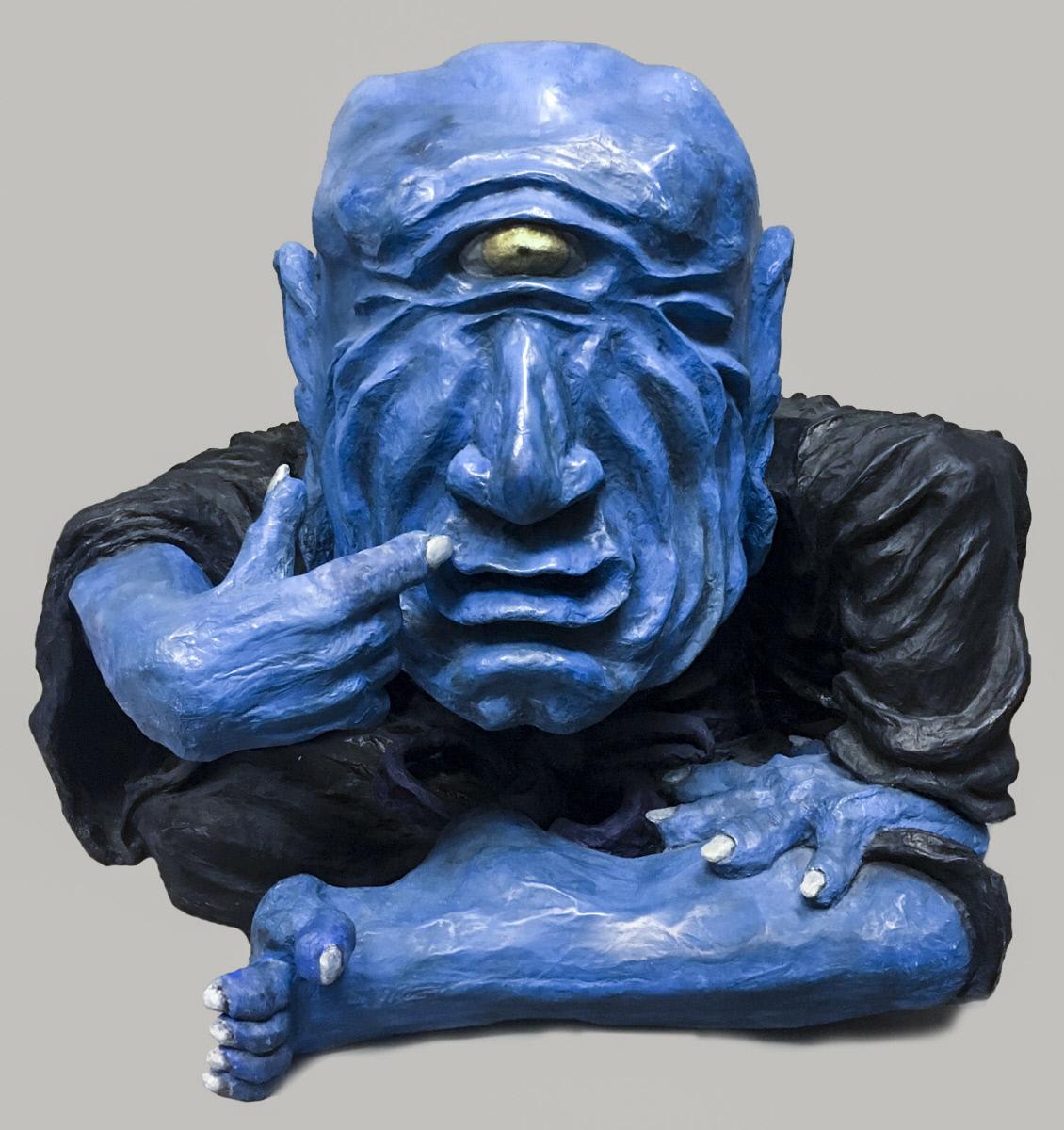
Yokai: Ghosts and Demons of Japan
Vivid in Japanese art and imagination are creatures that are at once ghastly and amusing. Yōkai is a catchall word for ghosts, demons, monsters, shapeshifters, tricksters, and other kinds of supernatural beings and mysterious phenomena. Yōkai interact with the human world and spark common notions of frightful things.
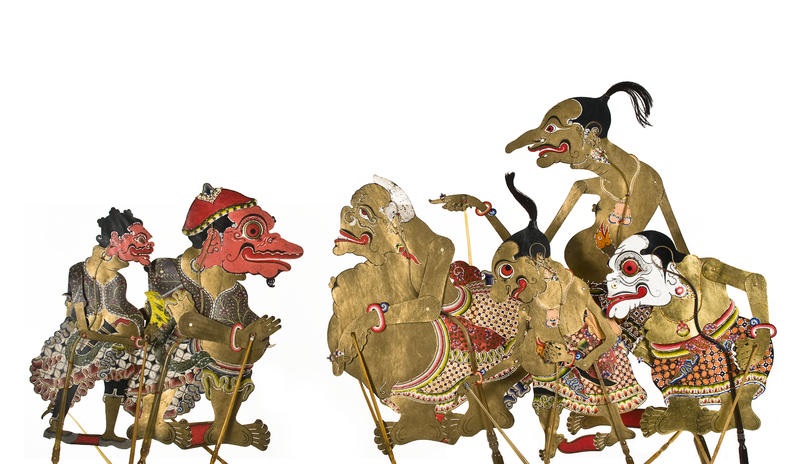
Dancing Shadows
Wayang kulit (shadow puppet) performance of Indonesia is among the oldest and greatest story-telling traditions in the world and lies close to the heart of Javanese culture.
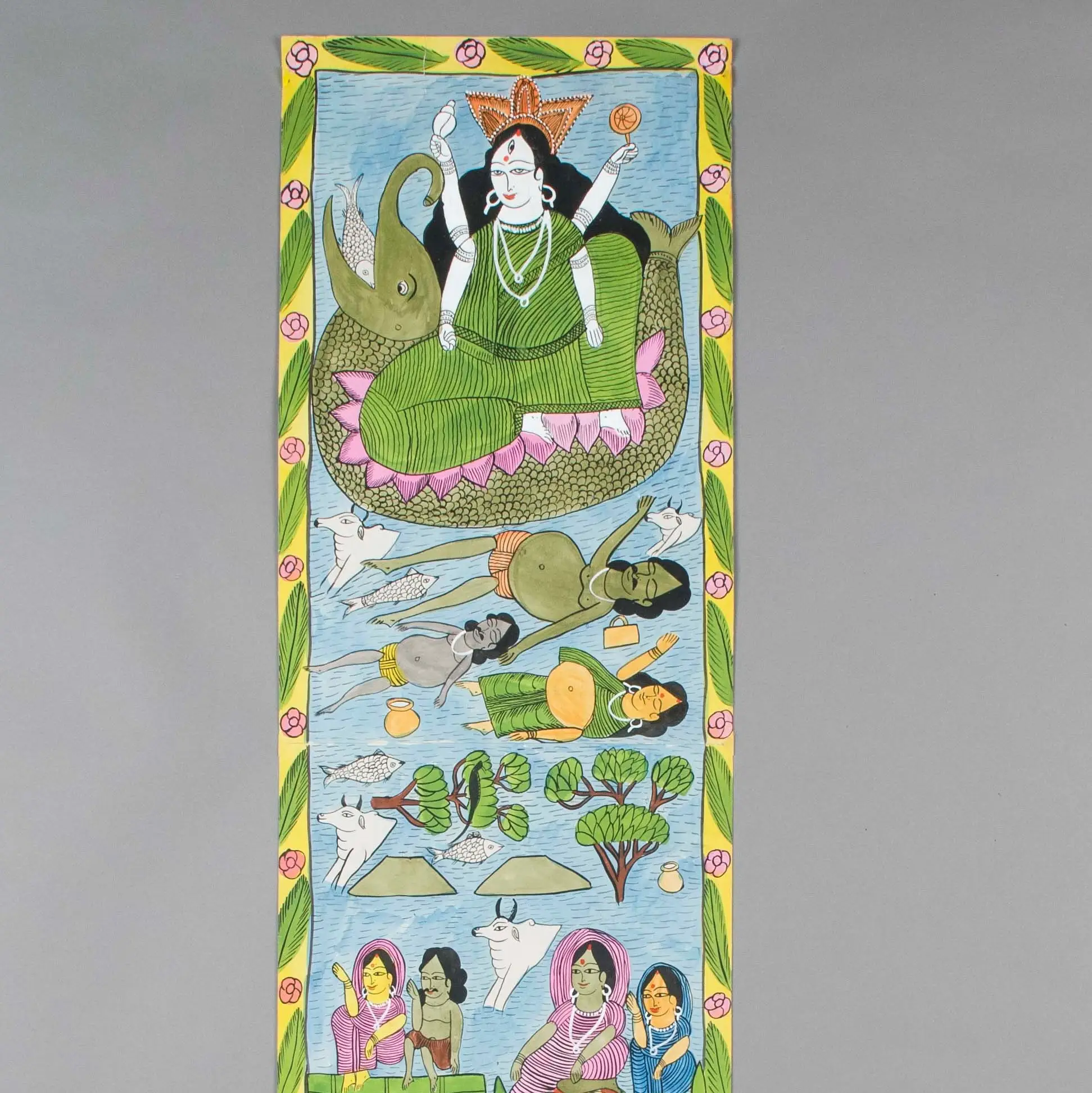
Narrative Scrolls from West Bengal
In West Bengal, India, a traditional caste community of artists, called patuas, paint colorful scrolls to accompany songs which they sing to relate historic, current, religious and cultural events to their audiences.
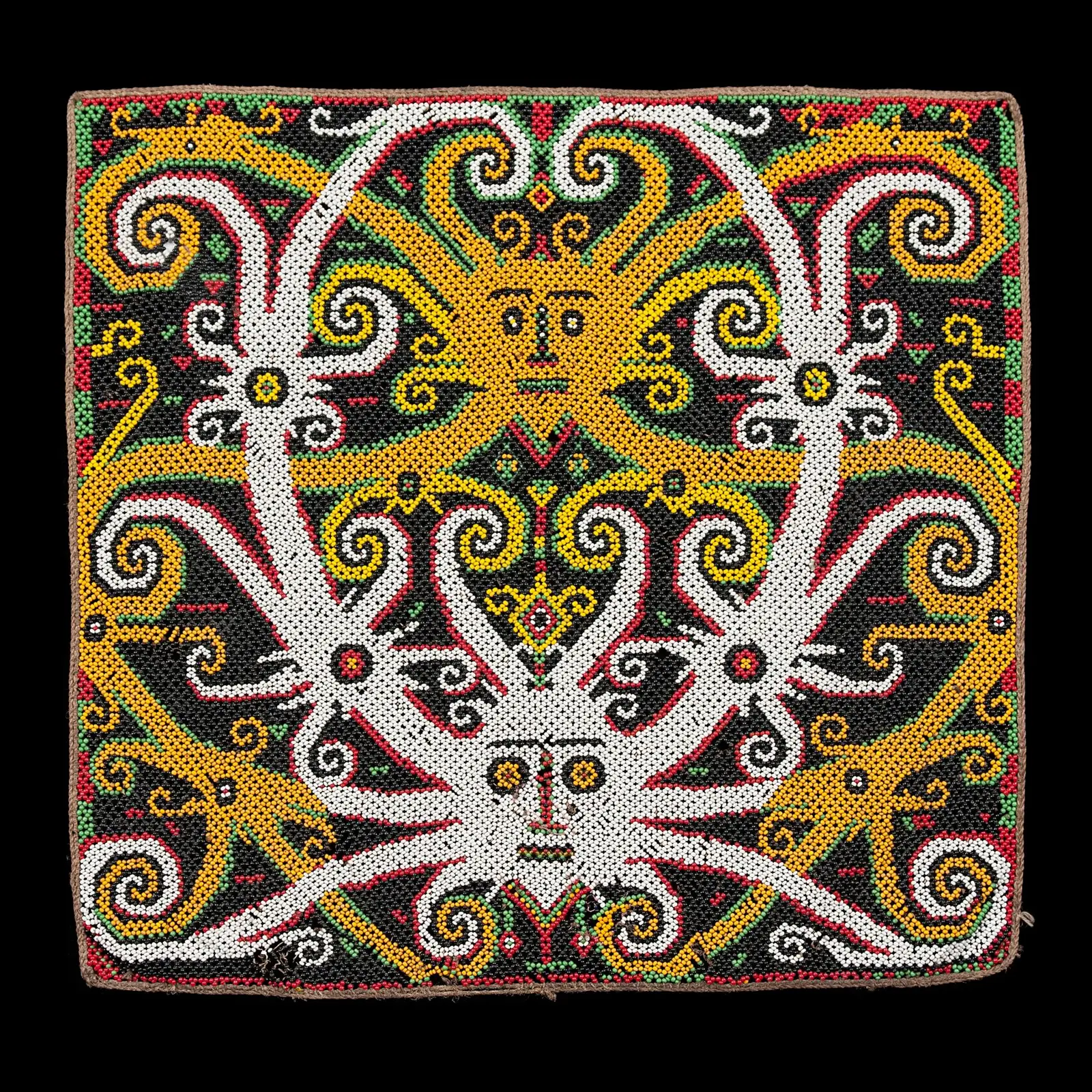
Beads and Seeds, Grid Design Challenge
Explore creative connections between patterns, sequence, numbers and colors found in beadwork, and in nature. Students will use observation skills and sketches to problem-solve, design and create a grid for a pixel-inspired project to hold seeds.
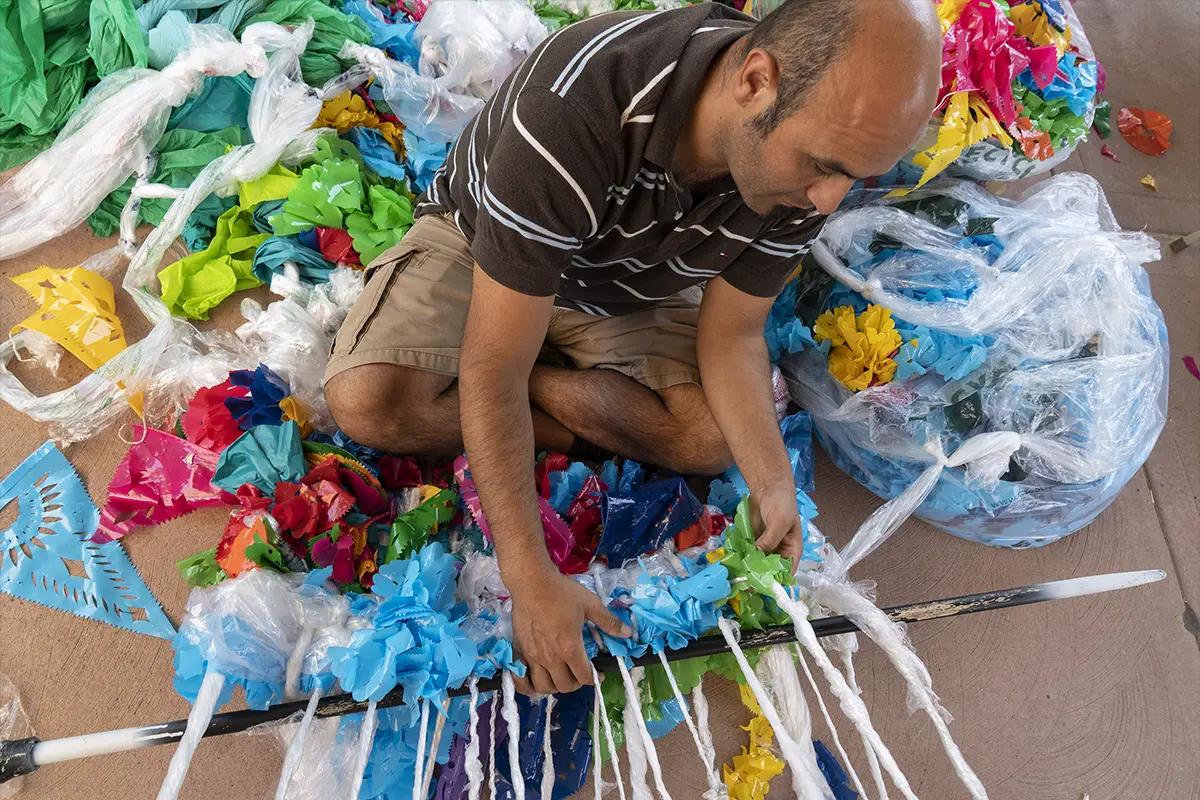
Non-Biodegradable Trash Design Challenge
Explore how artists and nature recycle. Utilize design thinking and engineering skills to address the abundance of non-biodegradable waste in your home, school and community.
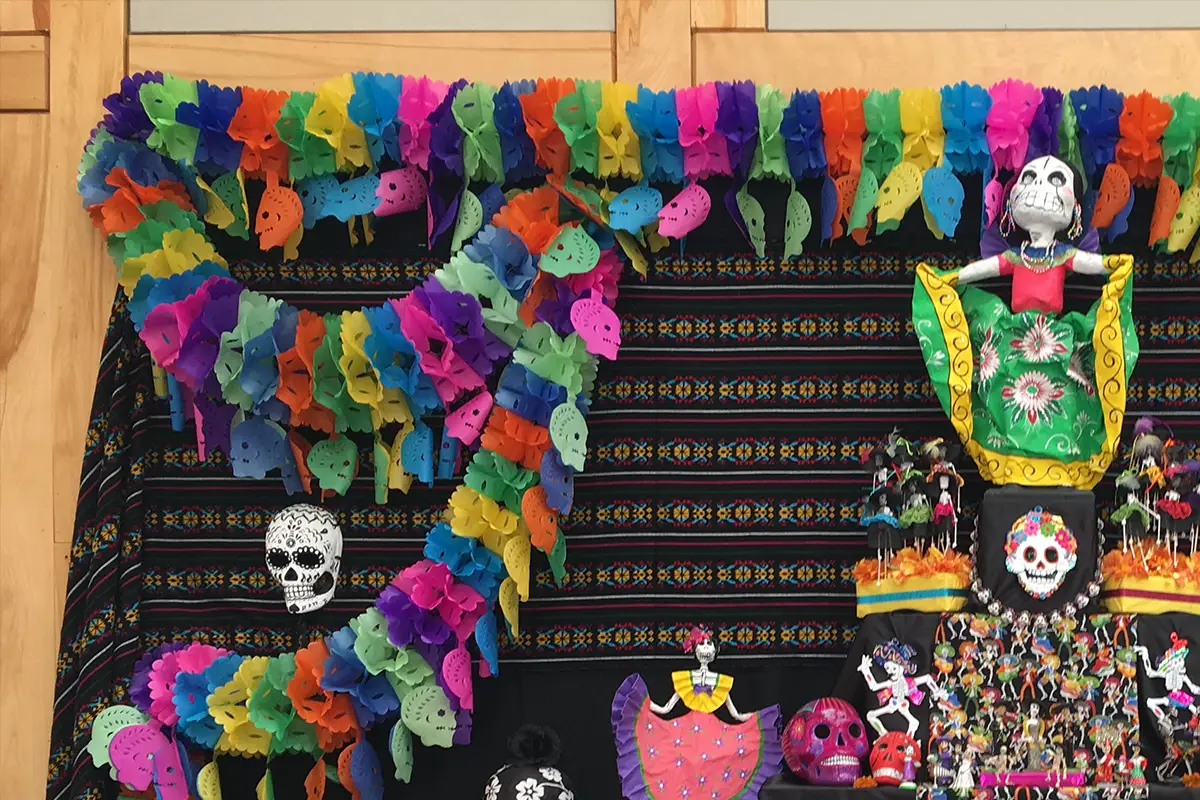
Day of the Dead / Ofrenda Nicho Box
Explore the historic and cultural context in which Day of the Dead/Día de los Muertos is celebrated. Birth and death, two of the most transcendental moments of life are celebrated by all cultures according to their particular belief systems, historical development, environment, and evolution within their culturally specific context. Every world culture has coping mechanisms to deal with the loss of life. Día de los Muertos (Day of the Dead) celebrates a communion between the living and the dead in a colorful festival of ritual and life.
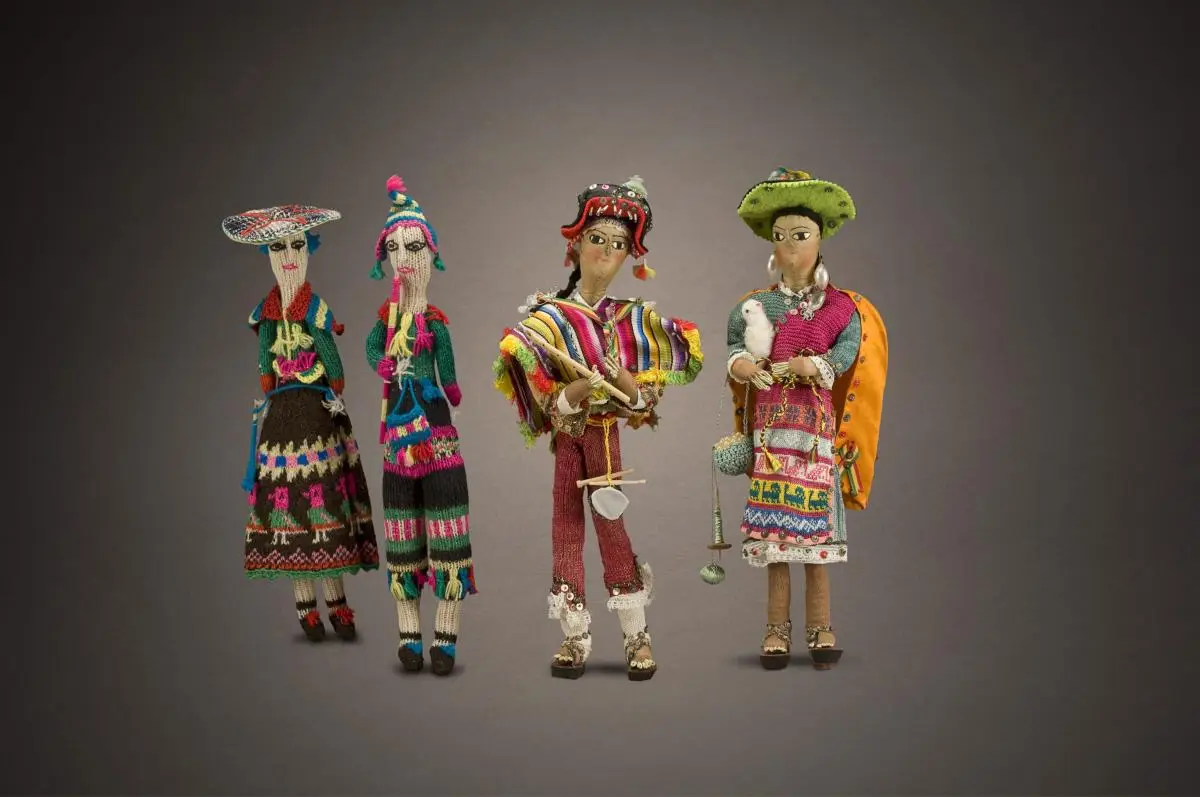
Dolls From Around the World
Dolls have captivated the human imagination for centuries. Paddle shaped dolls dating back to 2000 B.C. have been found in Egyptian tombs. Dolls have been constructed out of virtually every material known to humankind including bone, ivory, wax, wood, terra cotta, plastic, rubber, old socks and inner tubes.
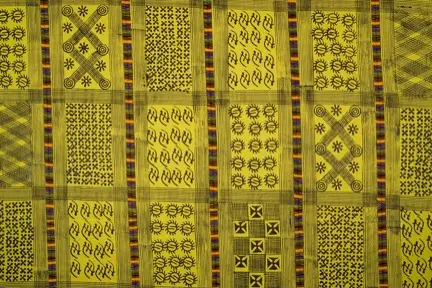
Adinkra Banners
Adinkra cloth is a stamped fabric that is made in Ghana, Africa. Symbolic motifs which represent proverbs are carved from calabashes, a type of gourd, and are dipped into a black dye made from the bark of the badie tree.
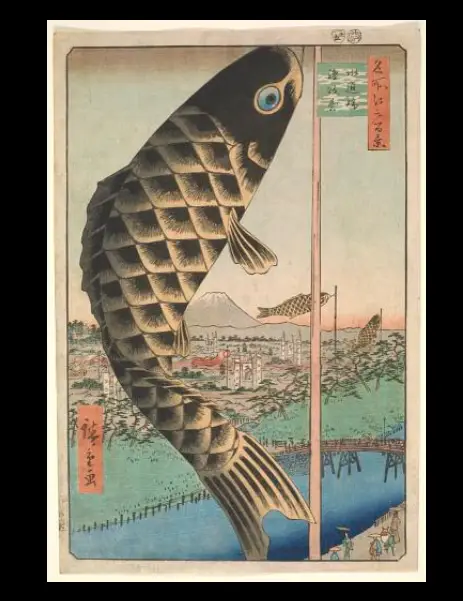
Koinobori: Japanese Carp Windsocks or Kites
Children’s Day is a national holiday in Japan, which always falls on May 5th. Families fly giant carp windsocks, called koinobori, on flagpoles next to their homes from April to early May.
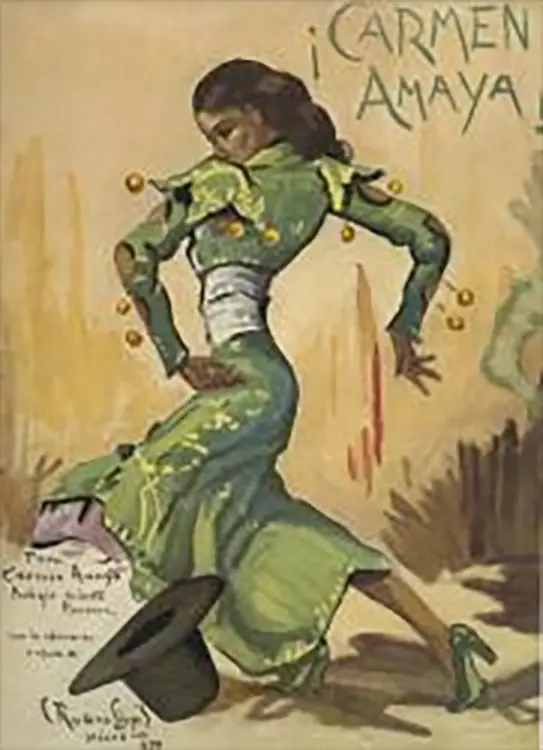
Flamenco, Castanets
Flamenco is a folkloric dance that was handed down from generation to generation. Flamenco is supposed to be the outward expression of one’s innermost emotions. It was originally performed within families or tight-knit communities, largely of Gitano (Spanish Romany) origin in southern Spain.
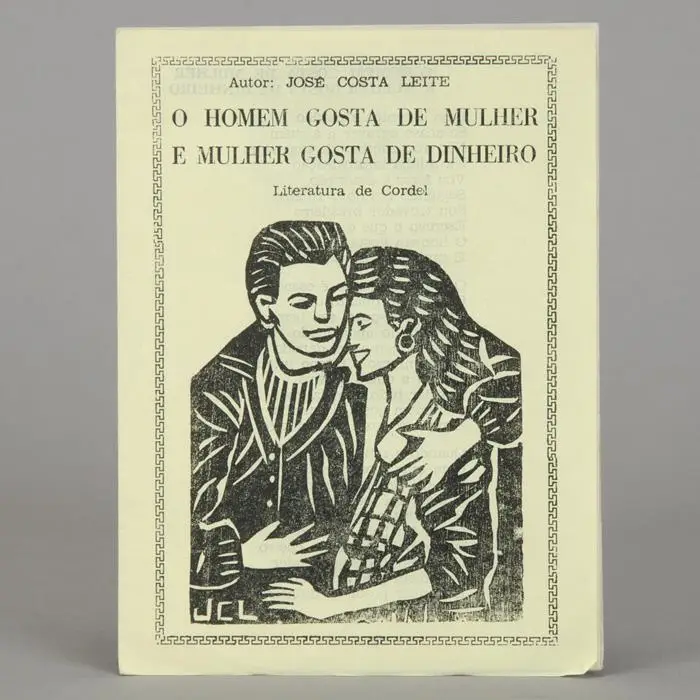
Literatura de Cordel (Literature on a String)
Literatura de Cordel (Literature on a String) refers to small hand-printed chapbooks of poetry, which address popular themes, folktales, and legends, native to the dry, impoverished interior of northeastern Brazil.
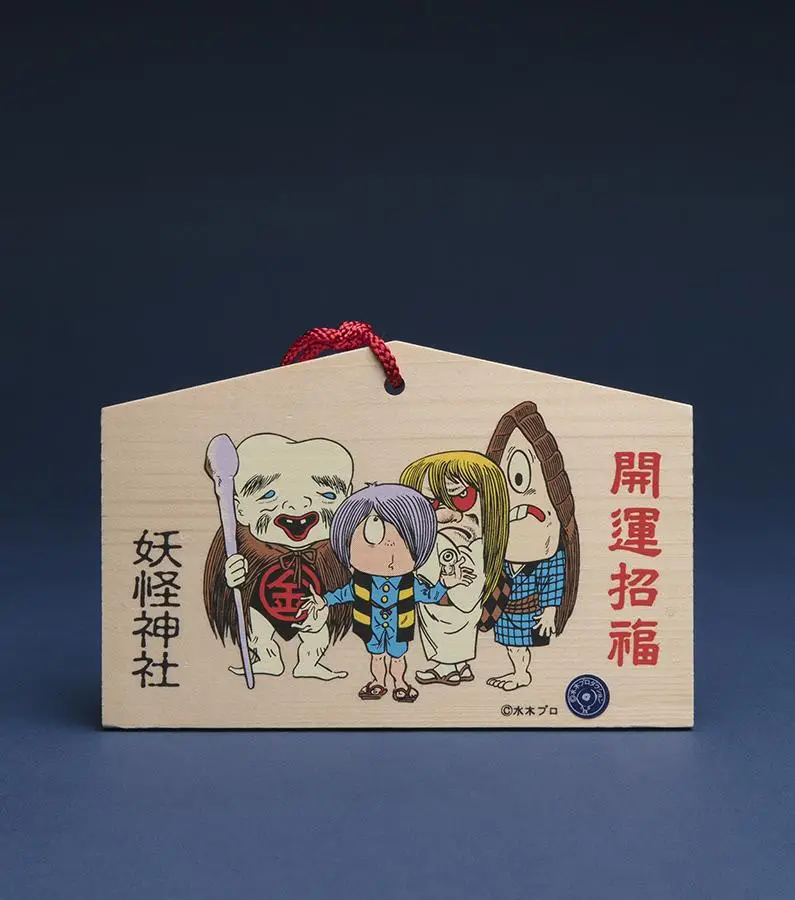
Ema, Japanese Wishing Plaques
The practice of writing a personal wish or prayer on a wooden plaque, called ema, usually takes place at Shinto shrines throughout Japan. This practice dates back to the Nara period in the 8th century. This practice dates back to the Nara period in the 8th century. In contemporary Japanese society, this is most commonly done during certain times of the year, like the New Year and during exam season.
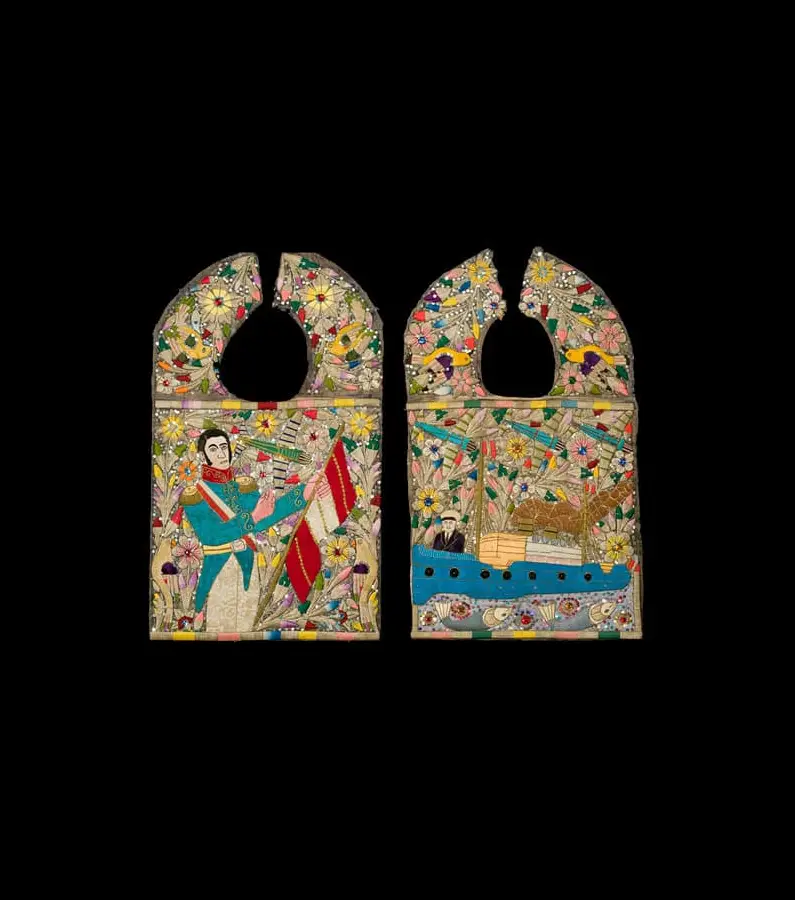
Peruvian Dance Capes
Dance capes or esclavinas, are capes worn by dancers in the annual celebration for the Virgen de Cocharcas in the town of Sapallanga, in Peru’s central sierra. The capes are decorated with images of historical and current events. The heavily embroidered capes are part of a costume that includes a shirt, pants, mask and an anchor and a bell, which dancers hold in their hands.
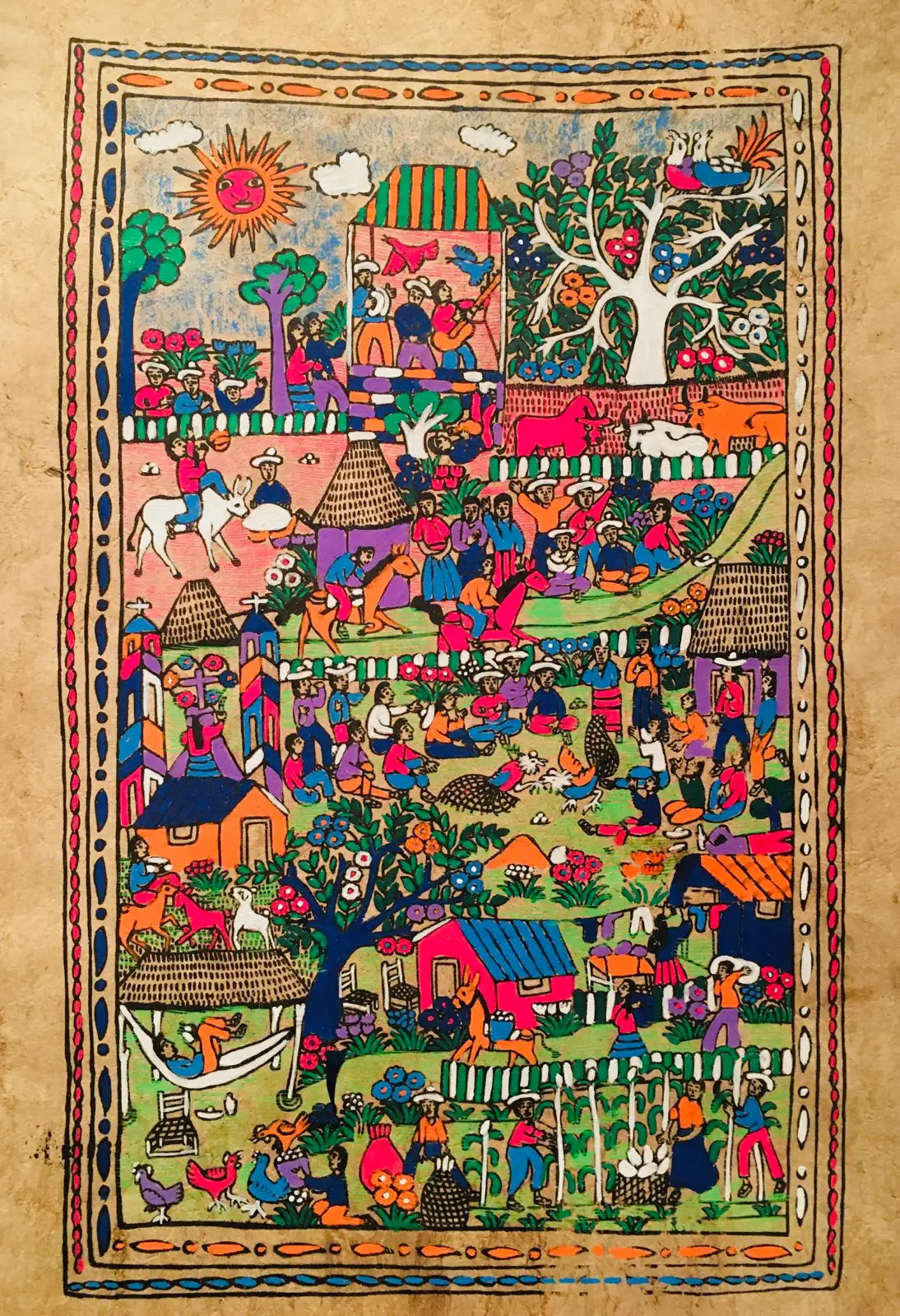
Mexican Amate Paintings
Amatl (Amate {Spanish}) from the Nahuatl (NA-watl) language means “paper”. Amate is made from the pulp of the fig and mulberry trees. The state of Puebla to the east of Mexico City is known for their amate paper production and the artisans in small town San Pablito, who are of Otomί ancestery, continue to practice this ancient tradition of paper making.
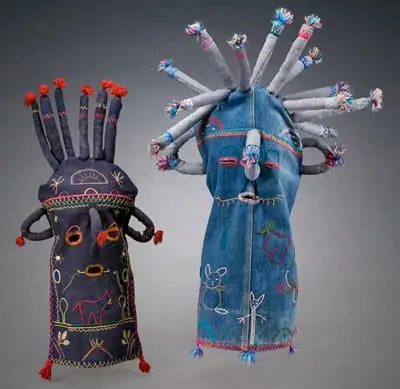
Festival Masks of the Andes
Andeans have an ancient tradition of performing dances and dramas wearing masquerades. In the sixteenth century, Spanish priests and colonists imposed new forms of masked performances for the Indians to carry out during Catholic feast days. Participants were instructed to wear costumes and masks that impersonated the Europeans. This practice continued through the seventeenth and eighteenth centuries, but since the post-Independence era of the nineteenth century, Indian and mestizo communities have had greater freedom to carry out their own forms of festival masquerading.
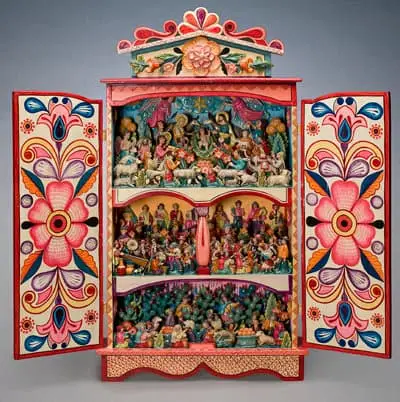
Peruvian Retablos / Portable Boxes with Scenes
The European practice of using small, box like altars to carry sacred images was introduced into the Andes by Spanish priests and European colonists in the sixteenth century. Catholic missionaries utilized the small shrines to facilitate religious teaching in the Indian villages. By the eighteenth century, Andean devotion to Catholic images had increased and portable altars were used to keep Christian figures in homes as well as to carry them to local churches to receive blessings from the priests.
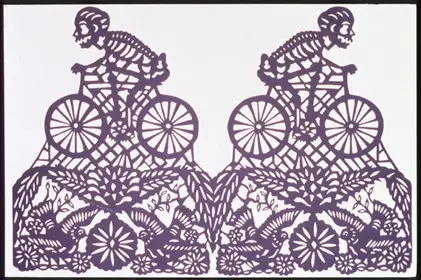
Papel Picado / Cut Paper Banners
Papel picado literally means ‘punched’ or ‘perforated’ paper. This traditional cut paper folk art is found throughout Mexico and the former colonies of Spain as well as in the folk traditions of many other countries. In Mexico the art has reached a pinnacle of expression and is present at every major holiday in the form of brightly colored strings of cut tissue paper banners strung under the portals of homes and across the narrow streets of colonial villages.
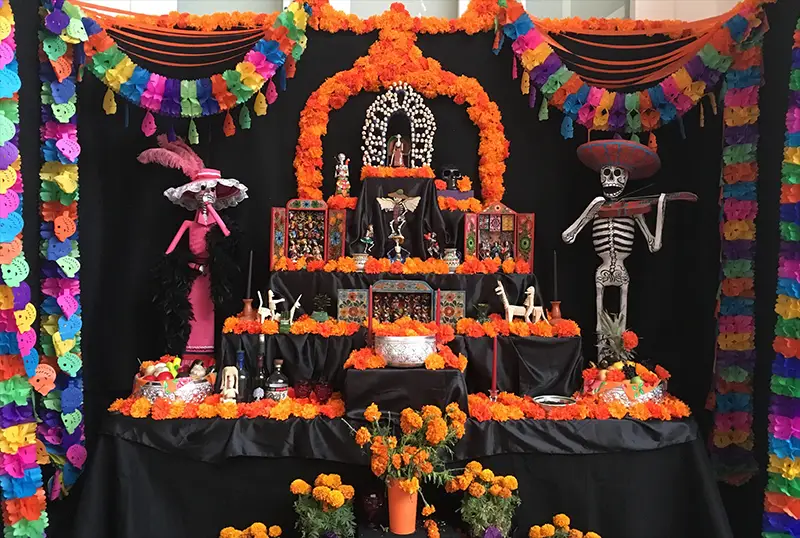
Día de los Muertos (Day of the Dead)
Explore the historic and cultural context in which Day of the Dead/Día de los Muertos is celebrated. Birth and death, two of the most transcendental moments of life are celebrated by all cultures according to their particular belief systems, historical development, environment, and evolution within their culturally specific context. Every world culture has coping mechanisms to deal with the loss of life. Día de los Muertos (Day of the Dead) celebrates a communion between the living and the dead in a colorful festival of ritual and life.
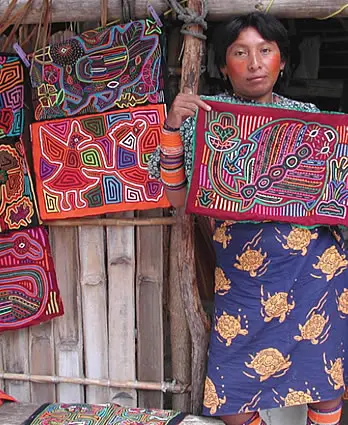
Cuna Mola Designs
A mola is an appliqued fabric panel created by Cuna women, an indigenous people from the San Blas Islands of Panama. The term “mola” refers to a traditional blouse made by women to serve as front and back panels of the blouses they wear everyday. Now molas are also sold to collectors and framed and exhibited. The market for the unique molas has provided an economic benefit for the Cuna Indians.
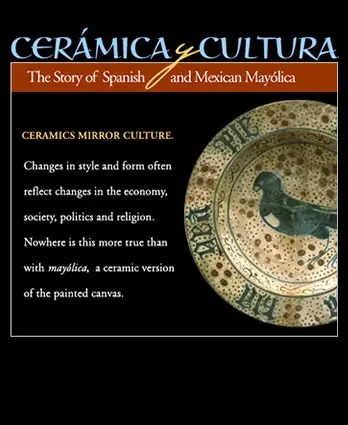
Cerámica y Cultura: The Story of Spanish and Mexican Mayólica
Explore the forms and functions of mayólica objects to understand the cultural and historic contexts that formed them. The Iberian Peninsula, where mayólica reached its apogee with lusterware, was composed of a wide variety of cultures, religions and ethnicities. Trace the trade routes of these ceramic pieces and witness how the Mexican culture transformed this art form—an excellent example of vibrant intercultural exchange.
Visit
Plan your visit to the Museum of International Folk Art
Learn
Teaching resources, research fellowships, and resources from our library and archives
About
Learn more about MOIFA and our mission
Explore
View our various exhibitions and collections
Support
Learn how you can support the museum and our efforts.