Official website of the NMDCA logo

Lesson Plans

Yokai: Ghost and Demons of Japan

Yokai: Ghosts and Demons of Japan

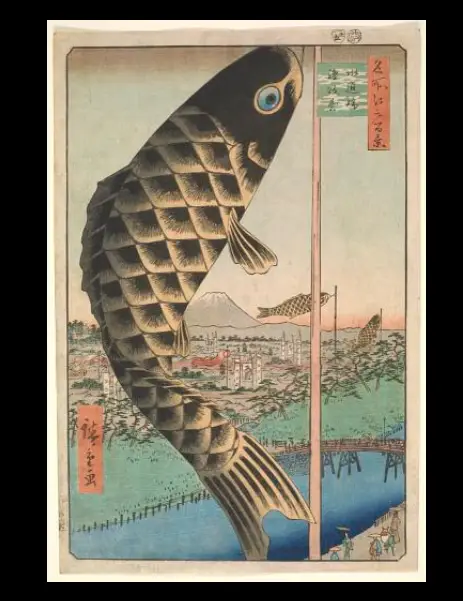
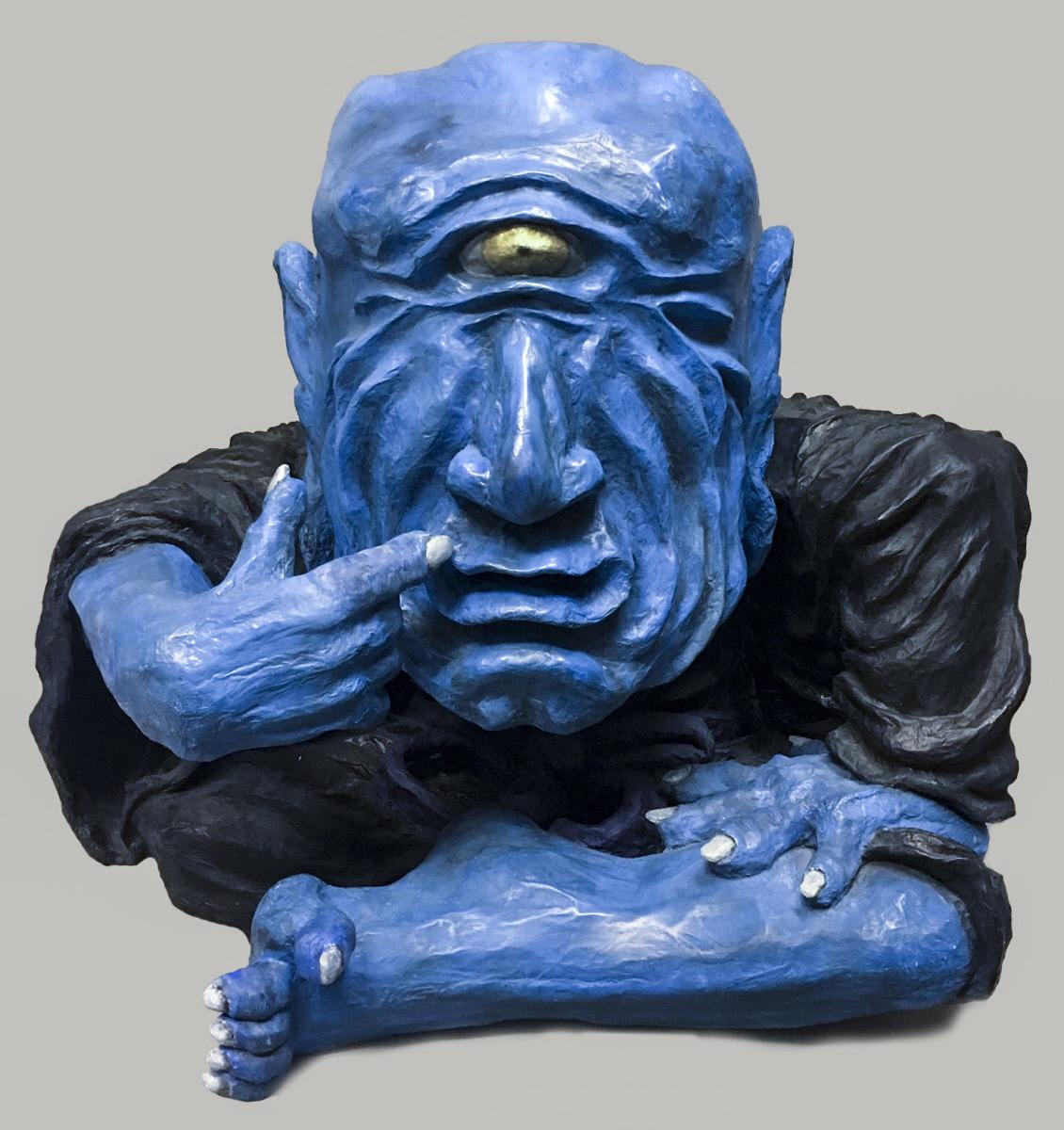
Vivid in Japanese art and imagination are creatures that are at once ghastly and amusing. Yōkai is a catchall word for ghosts, demons, monsters, shapeshifters, tricksters, and other kinds of supernatural beings and mysterious phenomena. Yōkai interact with the human world and spark common notions of frightful things.
Dancing Shadows

Dancing Shadows

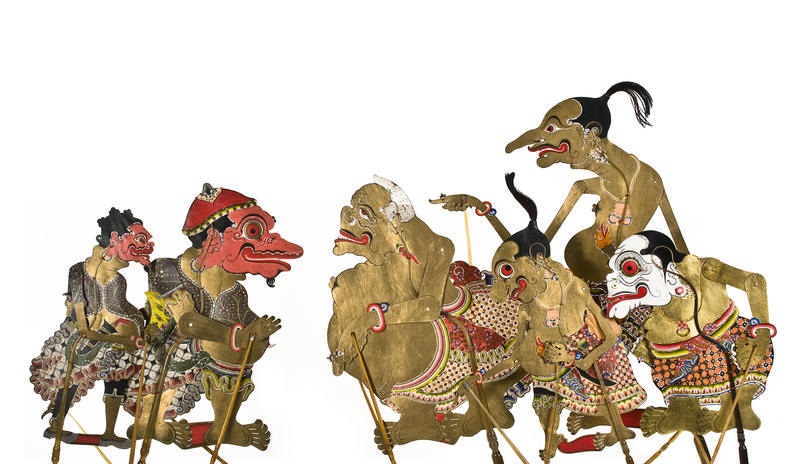
Wayang kulit (shadow puppet) performance of Indonesia is among the oldest and greatest story-telling traditions in the world and lies close to the heart of Javanese culture.

Narrative Scrolls from West Bengal

Narrative Scrolls from West Bengal

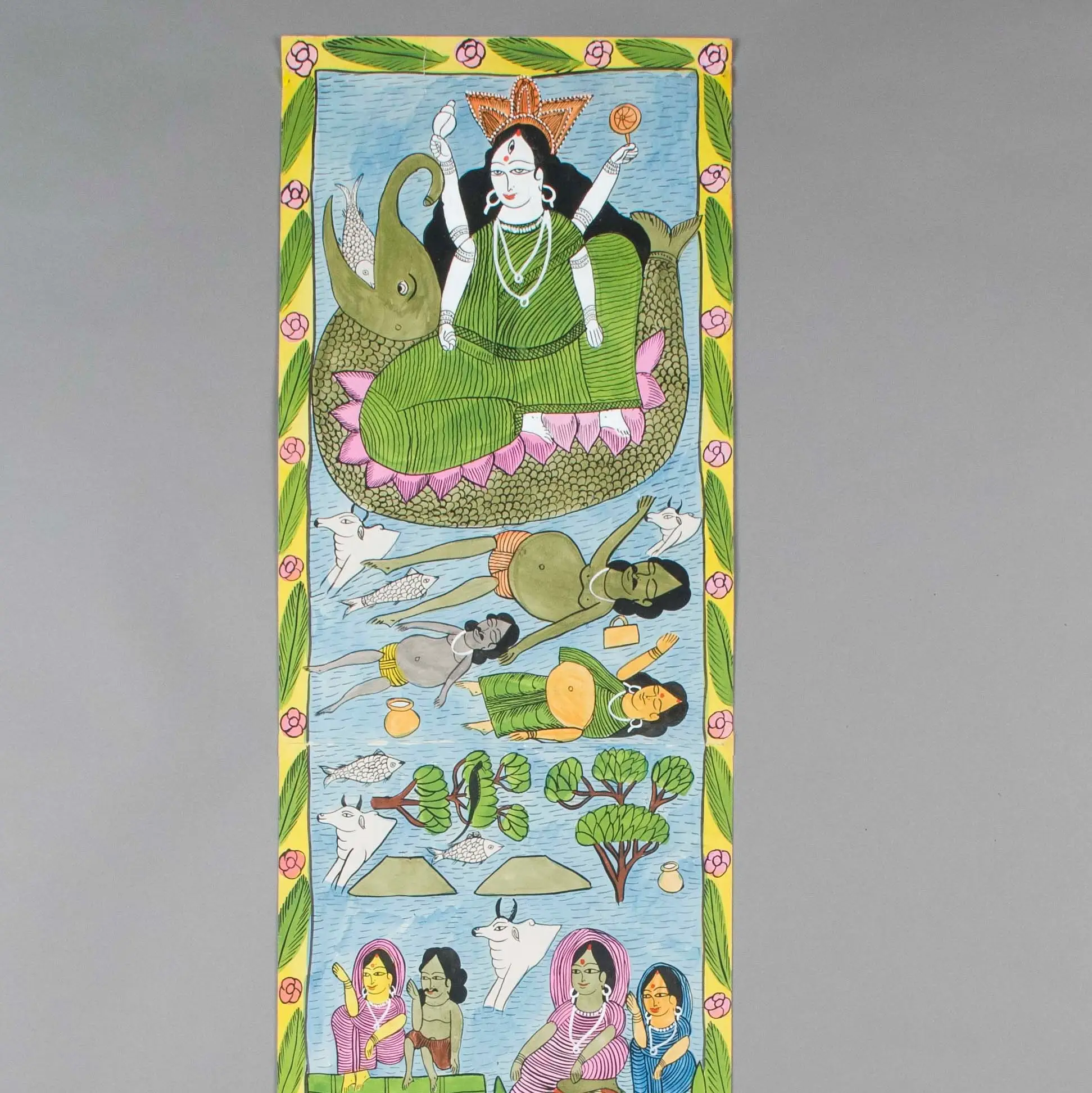
In West Bengal, India, a traditional caste community of artists, called patuas, paint colorful scrolls to accompany songs which they sing to relate historic, current, religious and cultural events to their audiences.

Beads and Seeds, Grid Design Challenge

Beads and Seeds, Grid Design Challenge

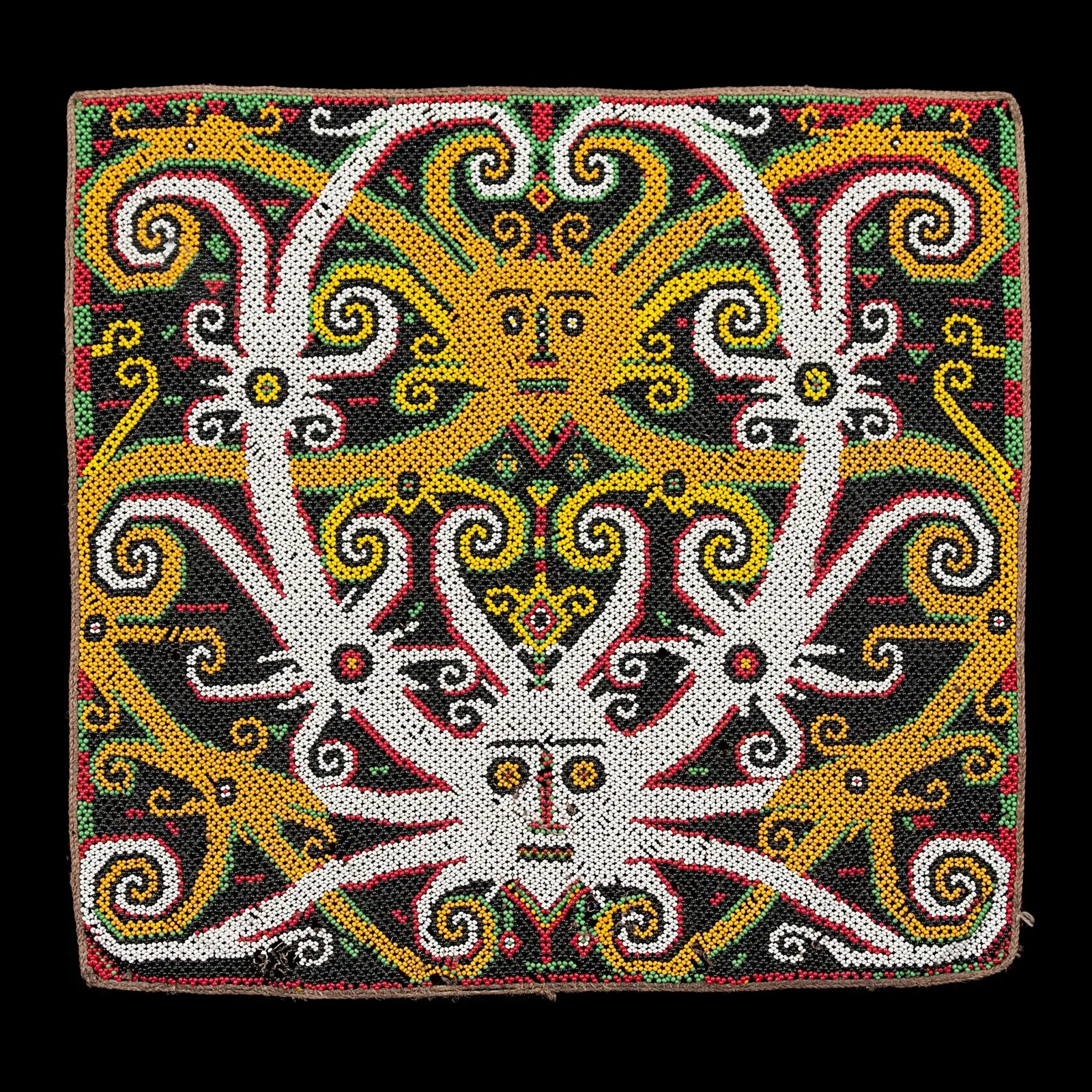
Explore creative connections between patterns, sequence, numbers and colors found in beadwork, and in nature. Students will use observation skills and sketches to problem-solve, design and create a grid for a pixel-inspired project to hold seeds.

Day of the Dead / Ofrenda Nicho Box

Day of the Dead / Ofrenda Nicho Box

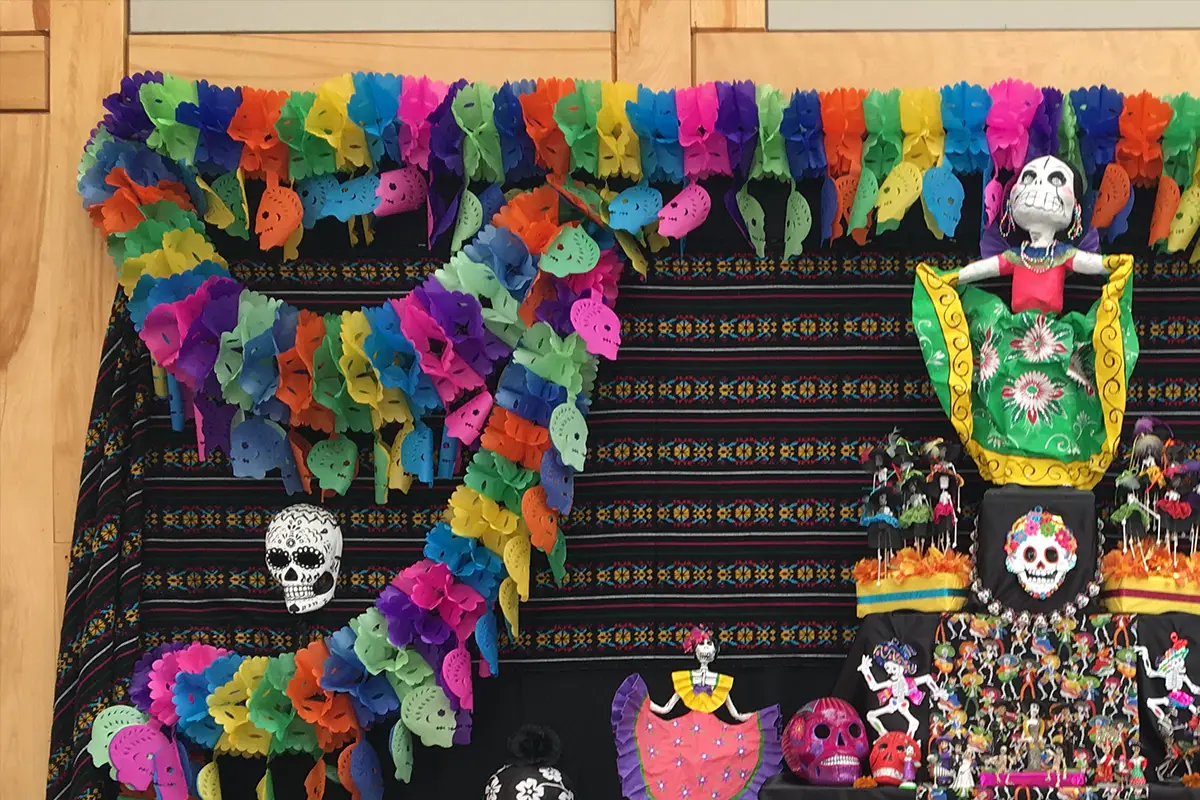
Explore the historic and cultural context in which Day of the Dead/Día de los Muertos is celebrated. Birth and death, two of the most transcendental moments of life are celebrated by all cultures according to their particular belief systems, historical development, environment, and evolution within their culturally specific context. Every world culture has coping mechanisms to deal with the loss of life. Día de los Muertos (Day of the Dead) celebrates a communion between the living and the dead in a colorful festival of ritual and life.

Dolls From Around the World

Dolls From Around the World

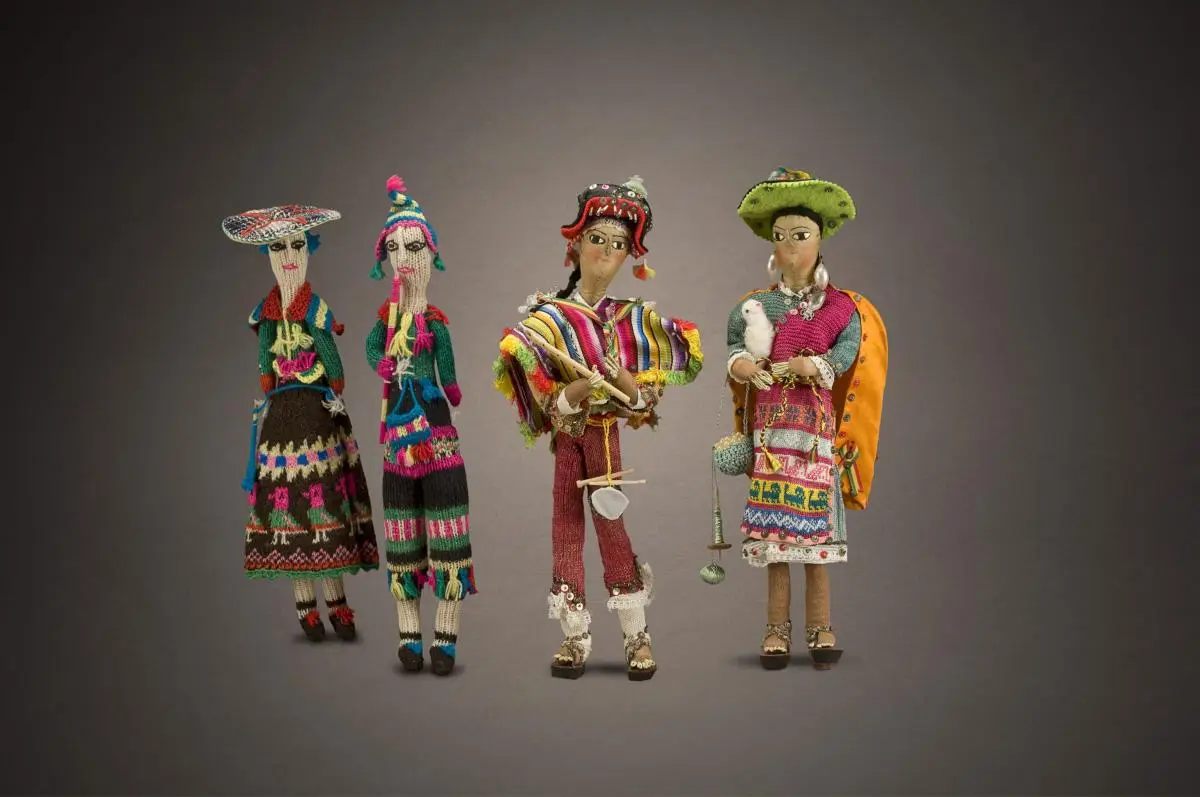
Dolls have captivated the human imagination for centuries. Paddle shaped dolls dating back to 2000 B.C. have been found in Egyptian tombs. Dolls have been constructed out of virtually every material known to humankind including bone, ivory, wax, wood, terra cotta, plastic, rubber, old socks and inner tubes.

Adinkra Banners

Adinkra Banners

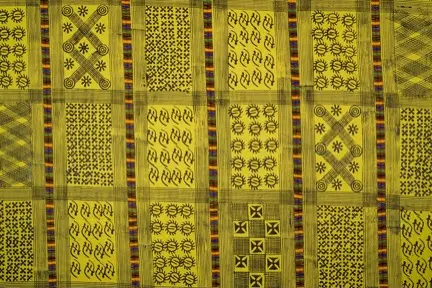
Adinkra cloth is a stamped fabric that is made in Ghana, Africa. Symbolic motifs which represent proverbs are carved from calabashes, a type of gourd, and are dipped into a black dye made from the bark of the badie tree.

flamenco

Flamenco, Castanets

Flamenco is a folkloric dance that was handed down from generation to generation. Flamenco is supposed to be the outward expression of one’s innermost emotions. It was originally performed within families or tight-knit communities, largely of Gitano (Spanish Romany) origin in southern Spain.

Literatura de Cordel (Literature on a String)

Literatura de Cordel (Literature on a String)

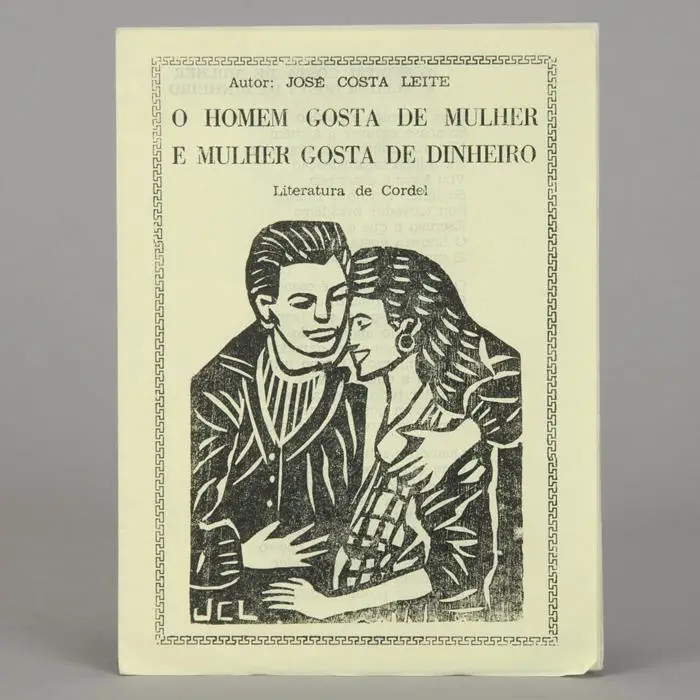
Literatura de Cordel (Literature on a String) refers to small hand-printed chapbooks of poetry, which address popular themes, folktales, and legends, native to the dry, impoverished interior of northeastern Brazil.

Ema, Japanese Wishing Plaques

Ema, Japanese Wishing Plaques

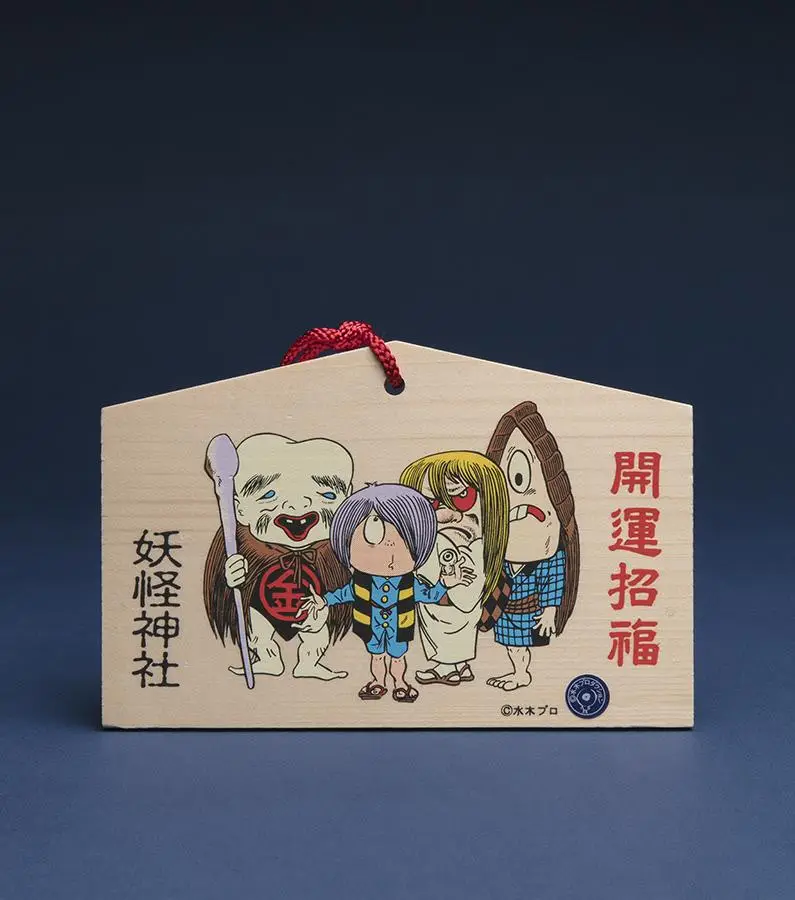
The practice of writing a personal wish or prayer on a wooden plaque, called ema, usually takes place at Shinto shrines throughout Japan. This practice dates back to the Nara period in the 8th century. This practice dates back to the Nara period in the 8th century. In contemporary Japanese society, this is most commonly done during certain times of the year, like the New Year and during exam season.