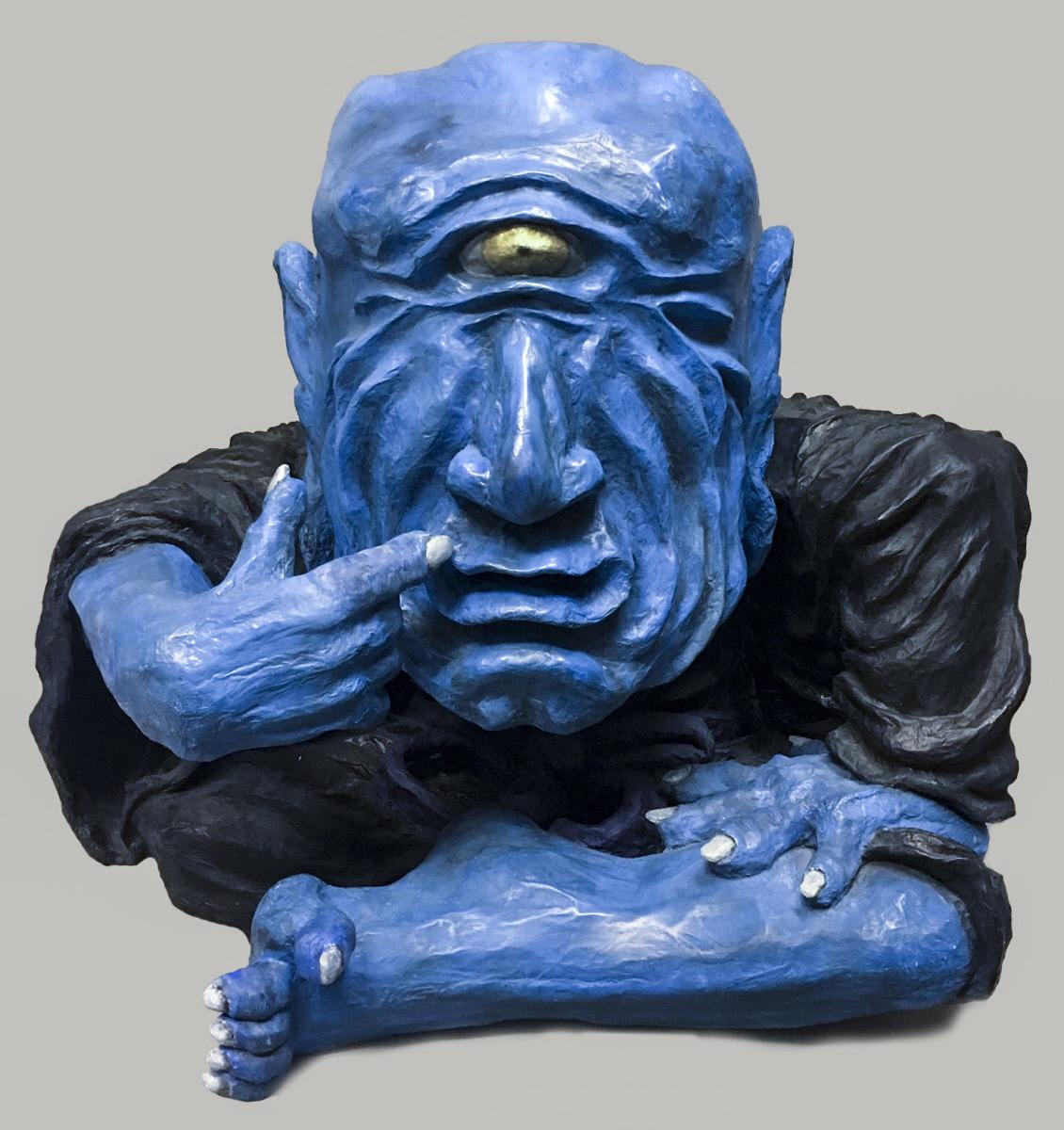
Vivid in Japanese art and imagination are creatures that are at once ghastly and amusing. Yōkai is a catchall word for ghosts, demons, monsters, shapeshifters, tricksters, and other kinds of supernatural beings and mysterious phenomena. Yōkai interact with the human world and spark common notions of frightful things.
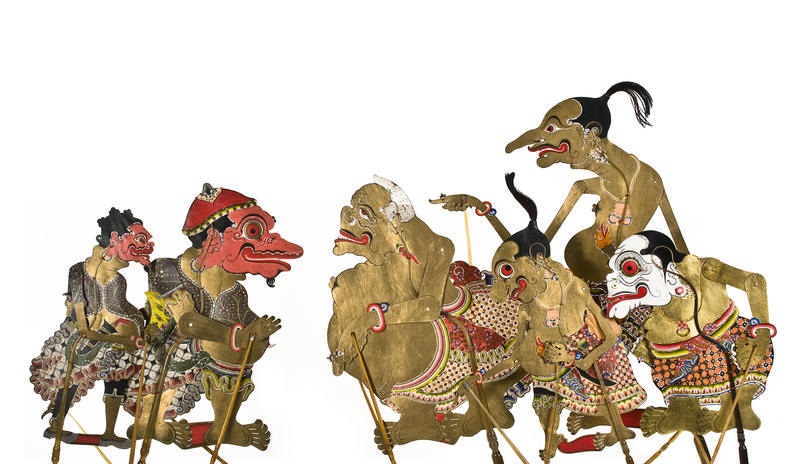
Dancing Shadows
Wayang kulit (shadow puppet) performance of Indonesia is among the oldest and greatest story-telling traditions in the world and lies close to the heart of Javanese culture.
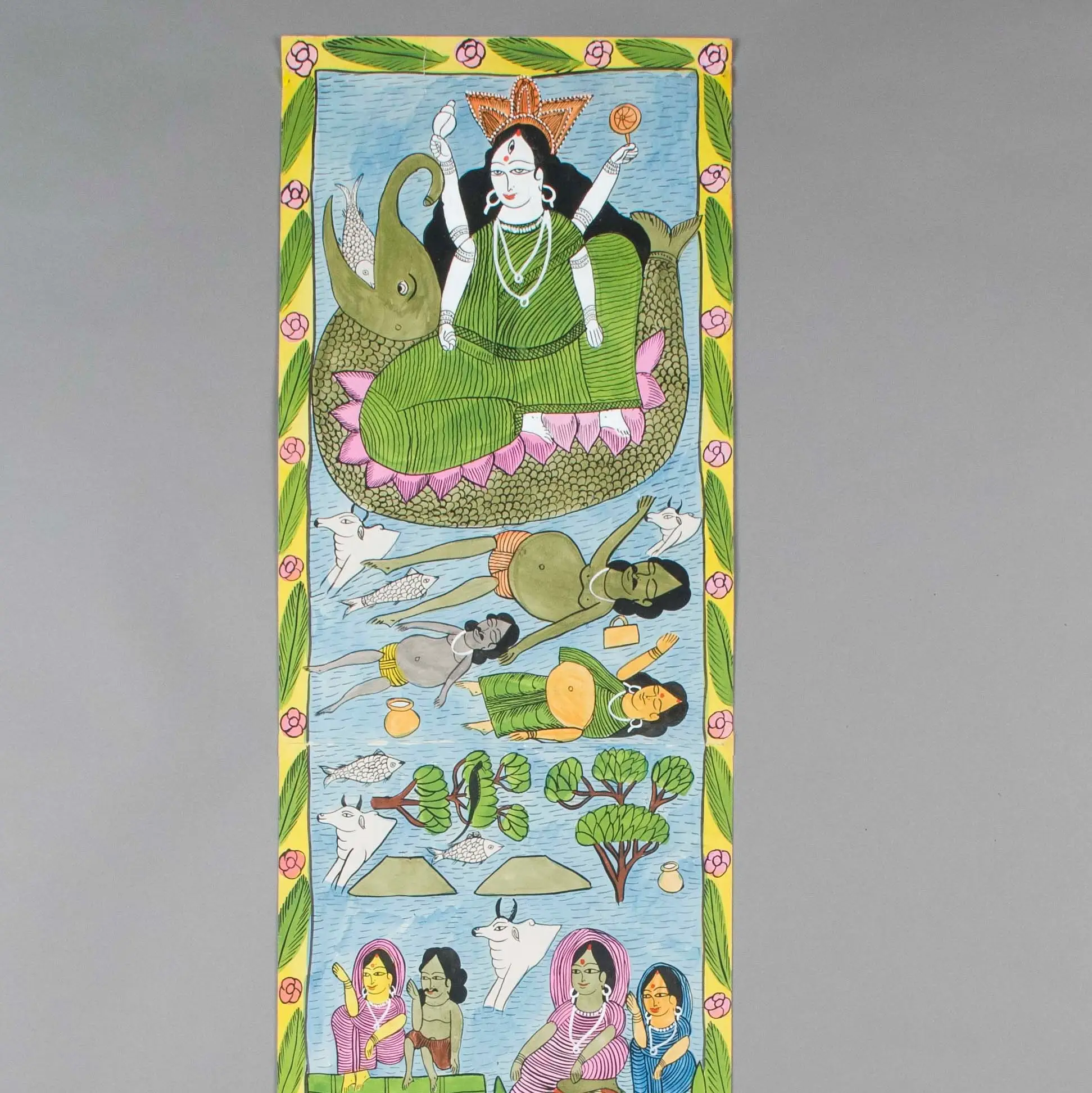
Narrative Scrolls from West Bengal
In West Bengal, India, a traditional caste community of artists, called patuas, paint colorful scrolls to accompany songs which they sing to relate historic, current, religious and cultural events to their audiences.
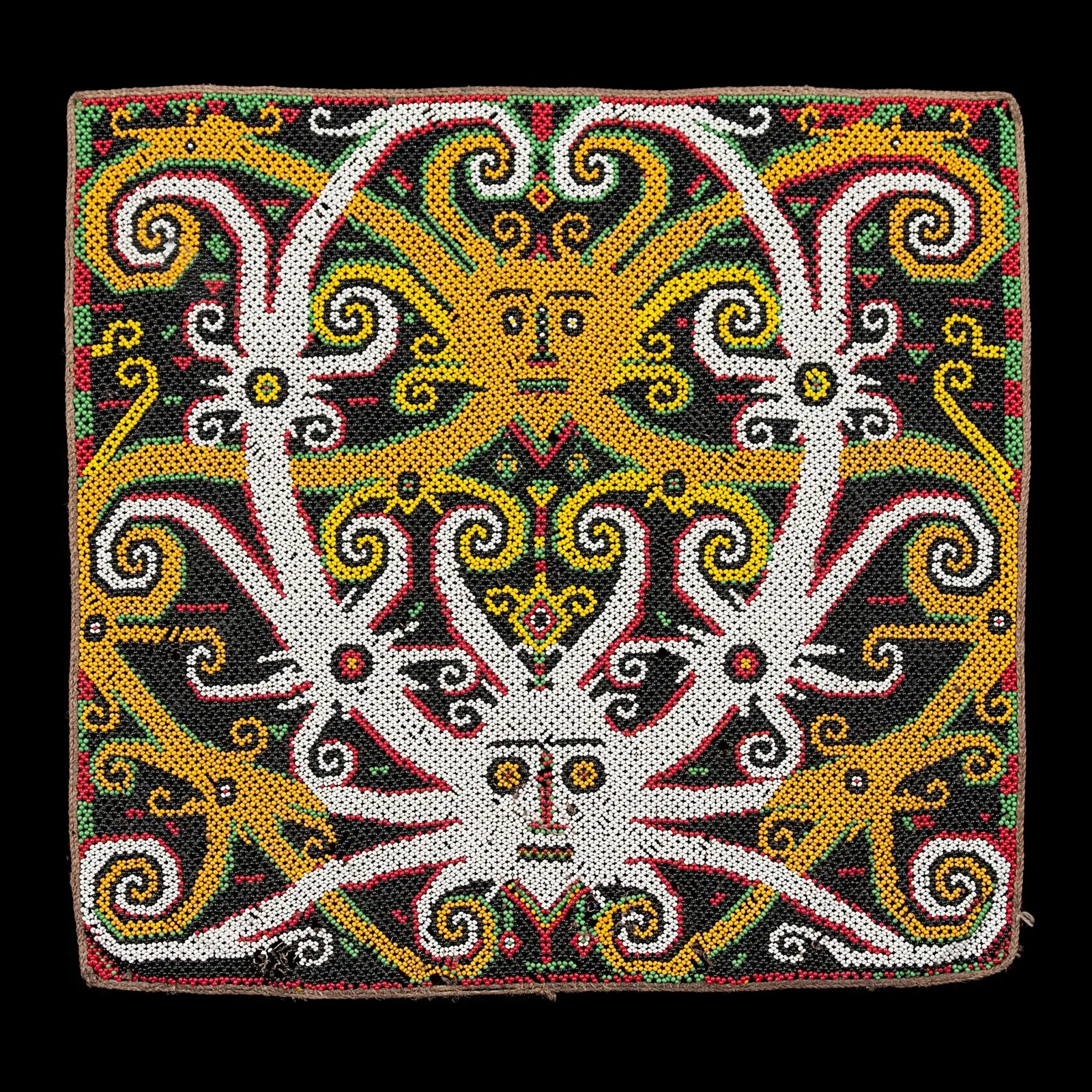
Beads and Seeds, Grid Design Challenge
Explore creative connections between patterns, sequence, numbers and colors found in beadwork, and in nature. Students will use observation skills and sketches to problem-solve, design and create a grid for a pixel-inspired project to hold seeds.
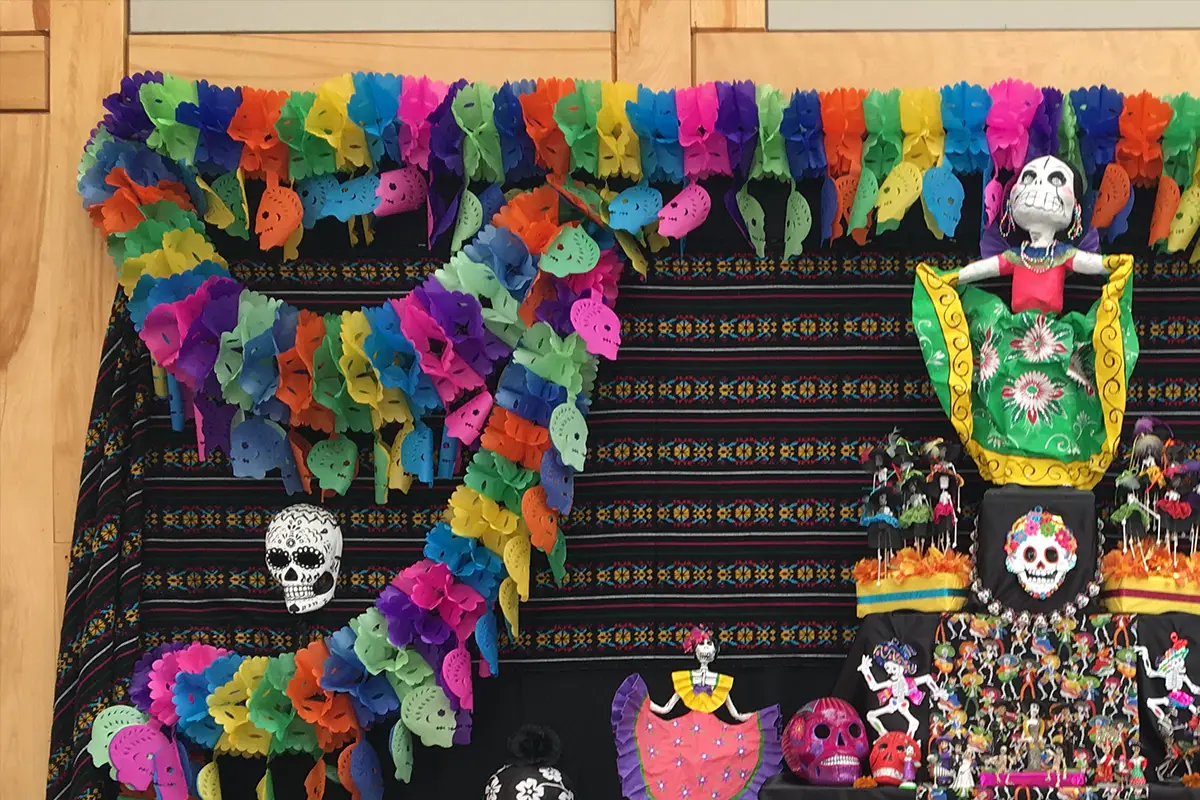
Day of the Dead / Ofrenda Nicho Box
Explore the historic and cultural context in which Day of the Dead/Día de los Muertos is celebrated. Birth and death, two of the most transcendental moments of life are celebrated by all cultures according to their particular belief systems, historical development, environment, and evolution within their culturally specific context. Every world culture has coping mechanisms to deal with the loss of life. Día de los Muertos (Day of the Dead) celebrates a communion between the living and the dead in a colorful festival of ritual and life.
Día de los muertos / Ofrenda, Nicho de caja
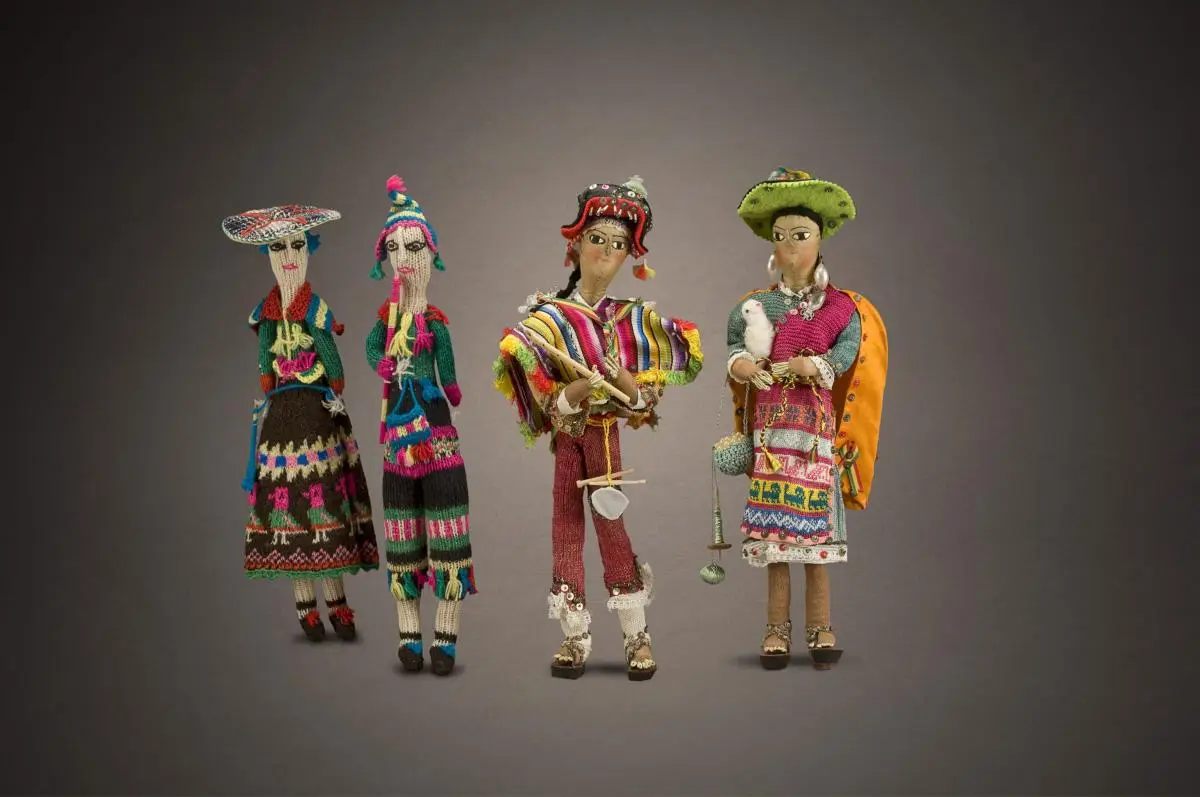
Dolls have captivated the human imagination for centuries. Paddle shaped dolls dating back to 2000 B.C. have been found in Egyptian tombs. Dolls have been constructed out of virtually every material known to humankind including bone, ivory, wax, wood, terra cotta, plastic, rubber, old socks and inner tubes.
Dolls From Around the World
Dolls have captivated the human imagination for centuries. Paddle shaped dolls dating back to 2000 B.C. have been found in Egyptian tombs. Dolls have been constructed out of virtually every material known to humankind including bone, ivory, wax, wood, terra cotta, plastic, rubber, old socks and inner tubes.
Muñecas(os) de alrededor del mundo
Las muñecas han cautivado la imaginación humana durante siglos. Hay muñecas de paleta que datan desde el año 2000 a.C. que han sido encontradas en tumbas egipcias. Las muñecas han sido construidas de prácticamente todos los materiales conocidos por la humanidad, incluyendo hueso, marfil, cera, madera, barro, plástico, goma, calcetines viejos y tubos de llantas.
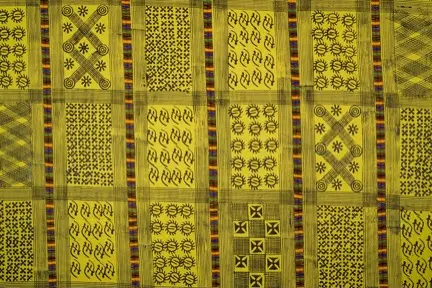
Adinkra Banners
Adinkra cloth is a stamped fabric that is made in Ghana, Africa. Symbolic motifs which represent proverbs are carved from calabashes, a type of gourd, and are dipped into a black dye made from the bark of the badie tree.
Banderas adinkra
La tela adinkra es un tejido estampado que se hace en Ghana, África. Los diseños simbólicos que representan proverbios están tallados en calabazas de peregrino, un tipo de calabaza, y se sumergen en un tinte negro hecho de la corteza del árbol de badie.
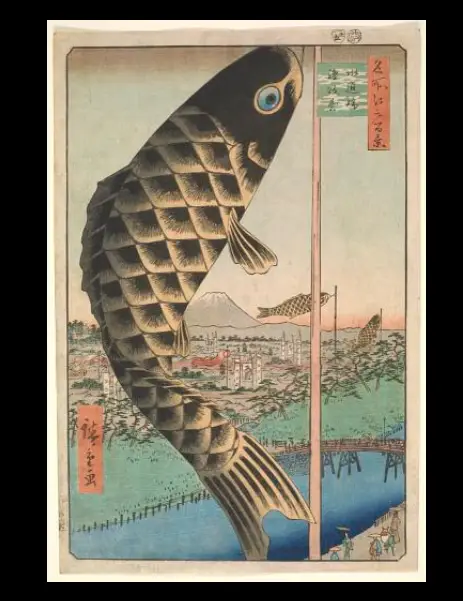
Koinobori: Japanese Carp Windsocks or Kites
Children’s Day is a national holiday in Japan, which always falls on May 5th. Families fly giant carp windsocks, called koinobori, on flagpoles next to their homes from April to early May.
Koinobori: manga de viento de carpa japonesa o cometa
El Día del Niño es un día festivo nacional en Japón, que siempre cae el 5 de mayo. Las familias vuelan cometas gigantes en forma de carpa, llamados koinobori, en astas de banderas al lado de sus hogares desde abril hasta principios de mayo.